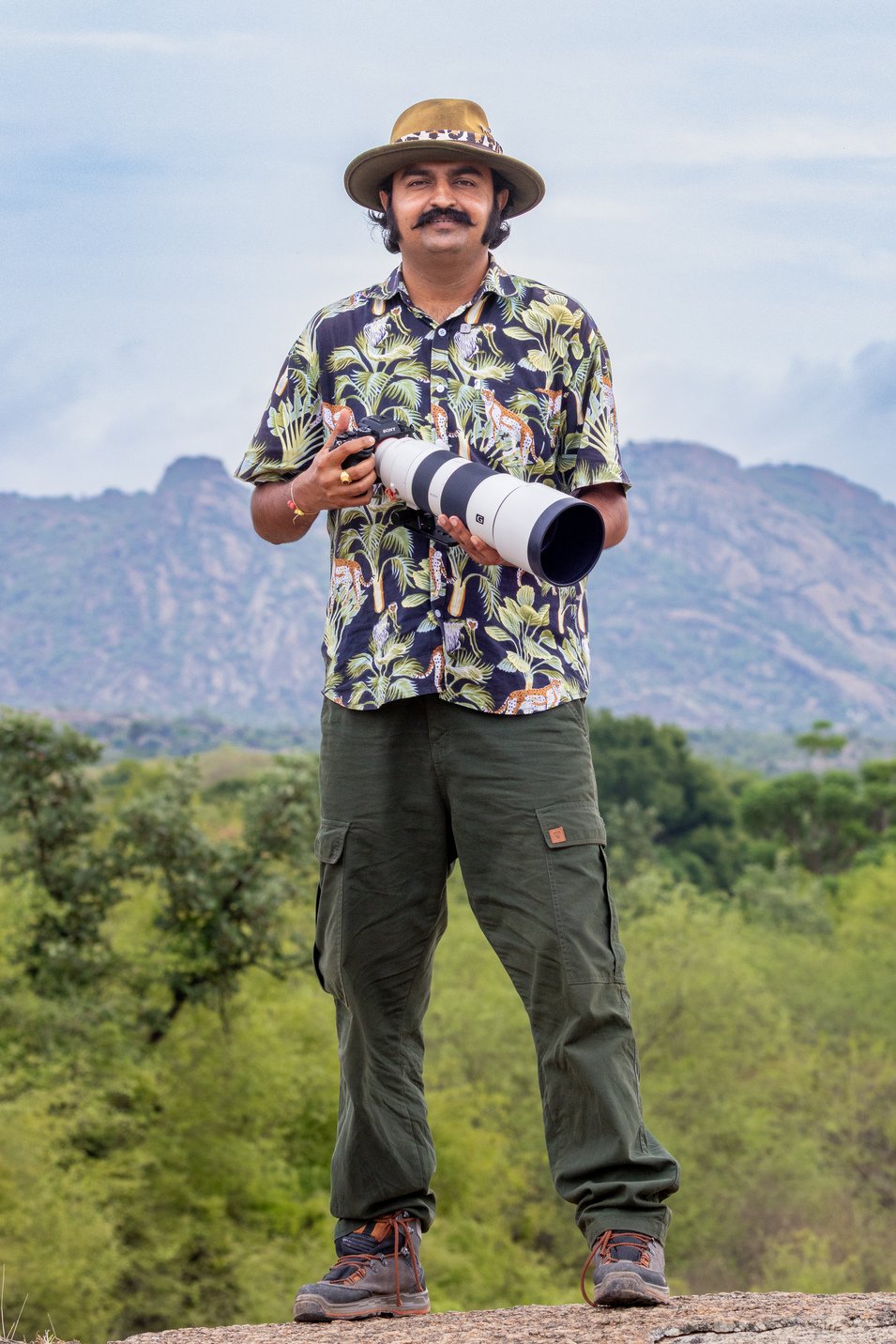
Naturalist, wildlife photographer, storyteller and conservation host — rooted in Jawai, travelling wherever the wild calls.
I am Pushpendra Singh Ranawat, born and raised in the hills of Jawai, Rajasthan.
My family history is deeply connected to this landscape and its leopards. Our ancestors belonged to a time when leopard–livestock conflict was a daily reality for pastoral communities. When a leopard killed livestock, families could lose an important part of their livelihood.
Our ancestors responded by hunting leopards.
But I never inherited the idea that wildlife should simply be removed.
I inherited an understanding of the conflict.
And I chose a different answer.
For more than 15 years, I have spent my life studying the leopards of Jawai — learning their territories, behaviour, individual personalities and relationship with the Rabari pastoral communities who live beside them.
Today, my work is about making sure that this coexistence survives.
“If the leopard creates value for the community, the community has a stronger reason to protect the leopard.”
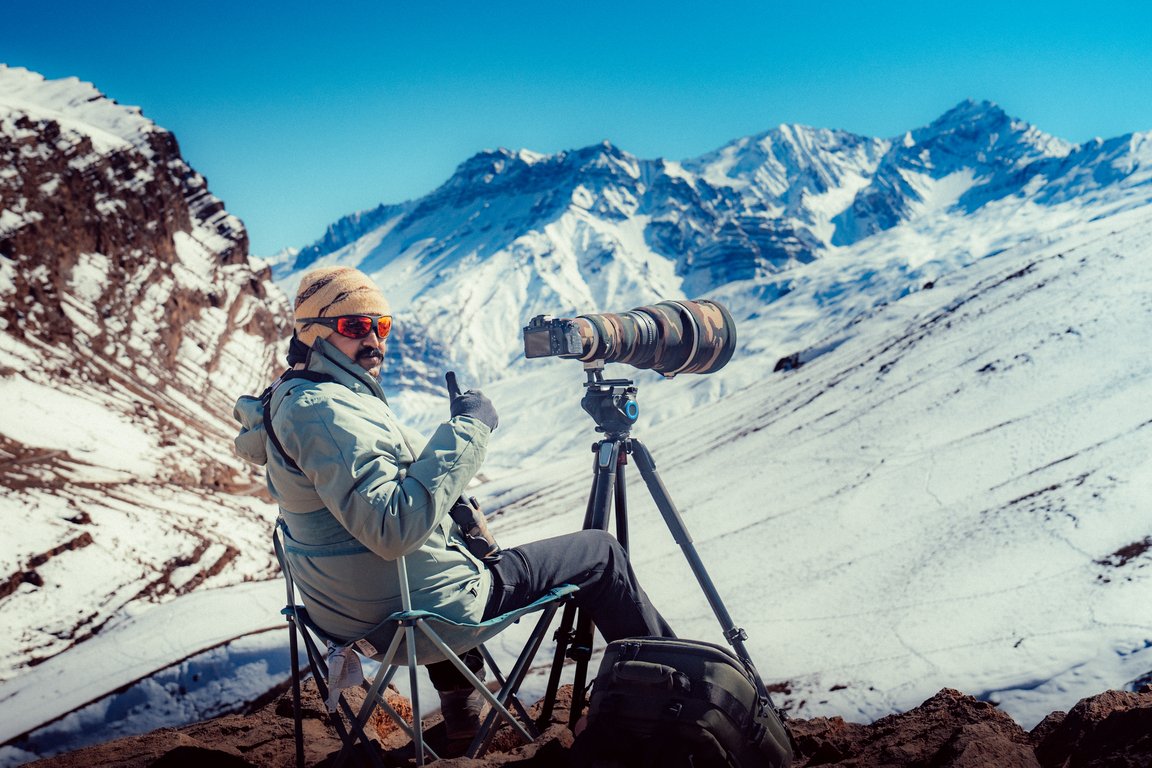
Jawai survived because its people learned to live with its wildlife.
But coexistence is never permanent. As human populations expand, natural habitats shrink and livestock losses continue, the possibility of conflict remains.
In other parts of India, livestock loss can sometimes lead to retaliation and poisoning of predators. That is the future I do not want to see in Jawai.
“If the leopard creates value for the community, the community has a stronger reason to protect the leopard.”
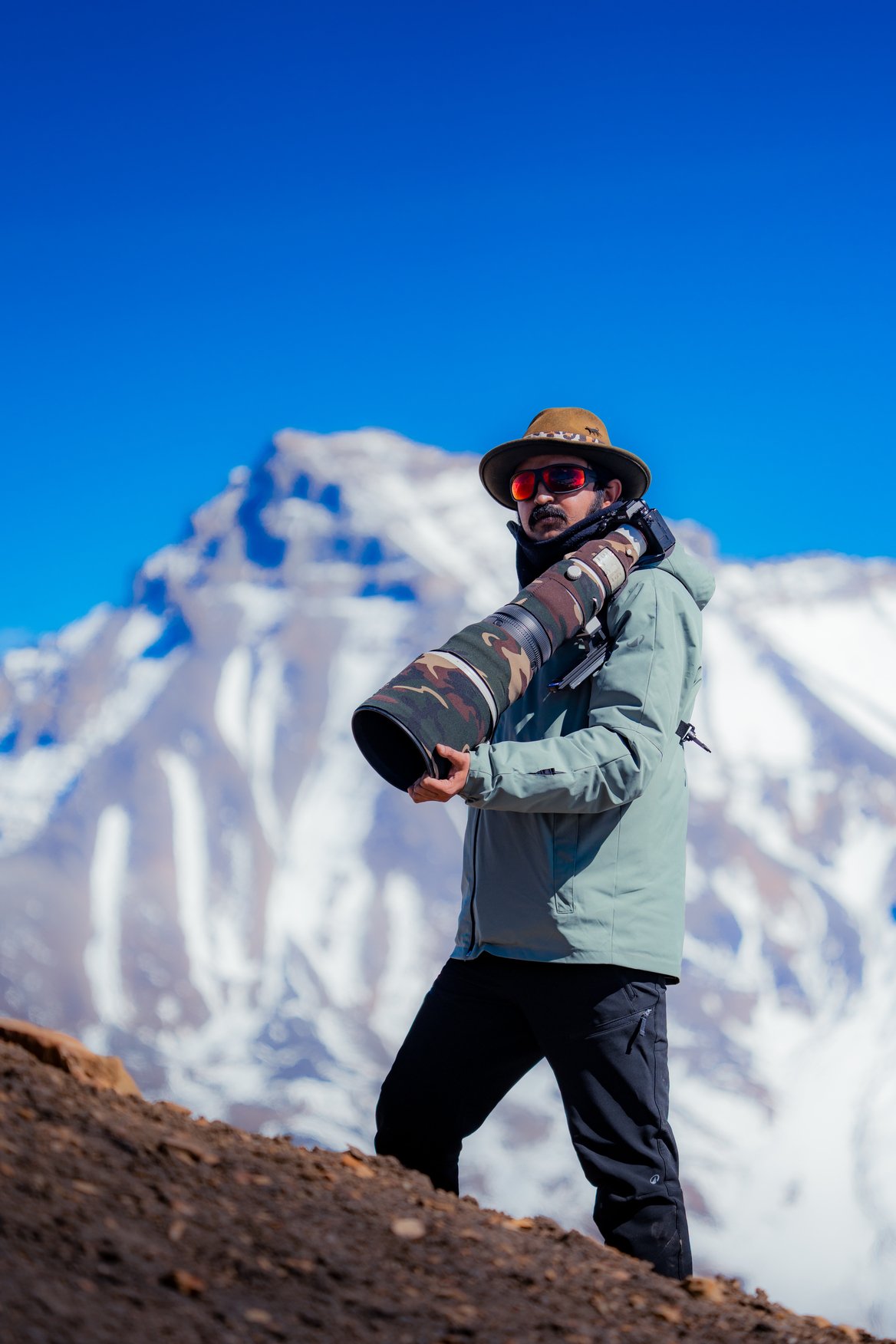
That is why I believe in responsible tourism, local employment, storytelling and direct community support as part of conservation.
At Varawal Leopard Camp, I tell every member of my team something very simple:
“You are not getting this job only because Pushpendra is giving you a job. You are getting this job because there are leopards here.”
If the leopard disappears, the reason people travel here disappears. If the wild landscape disappears, the tourism disappears. And when the tourism disappears, the livelihoods disappear with it.
This is what Vocal for Local means to me.
Tourism should create value for the people who live closest to wildlife.
The future of India's wildlife cannot depend only on protected forests. It also depends on the people who live beside them.
In Jawai, I have seen what happens when communities begin to see a living leopard not simply as a threat, but as something that brings knowledge, pride, visitors, livelihoods and opportunity.
That is why I believe responsible wildlife tourism can become a conservation tool.
Strict non-invasive fieldcraft, zero baiting, respectful distances, and absolute preservation of wild territorial autonomy.
Keeping billion-year-old volcanic granite kopjes wild, clean, unfenced, and protected from commercial fragmentation.
Creating direct local employment, community pride, and sustainable livelihoods for the pastoralists who share these hills.
Only then does tourism become meaningful.
Private, unhurried, photography-first field expeditions across Jawai, Tadoba, Spiti and India's finest wildlife habitats.
Tell me where you want to go, when you want to travel and what you hope to experience.
Whether it is your first wildlife journey, a dedicated photography expedition or a return to a landscape you already know, I personally plan the experience around the wildlife, the season and the people travelling with me.